

























When it comes to healthy, glossy hair, most of us think about the products we use, our styling routine, or how often we get a trim. But the real secret to beautiful hair lies beneath the surface, in the health of your scalp.
The Importance of Scalp Health
Your scalp is an extension of your skin. And, like the skin on your face, it needs regular care and attention. It’s home to over 100,000 hair follicles, each producing a single strand of hair. When your scalp is healthy, those follicles are nourished, oxygenated, and ready to produce strong, shiny strands.
An unhealthy scalp, however, can lead to issues such as dryness, irritation, excess oil, flaking, and even hair thinning. By caring for your scalp, you’re not just treating the surface — you’re investing in the long-term health and vitality of your hair.
How Good Hair Starts at the Scalp
Healthy hair begins at the root. If your scalp is congested, unbalanced, or inflamed, the follicles can become weakened, leading to dullness, breakage, or slow growth.
Regular scalp care helps to:
- Remove product build-up, dead skin cells, and excess oil
- Promote better blood circulation to the hair follicles
- Maintain the scalp’s natural pH balance
- Encourage stronger, healthier hair growth
In short, a happy scalp equals healthy hair.
Scalp Treatments We Recommend
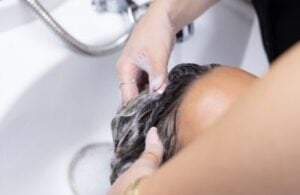
Think of a scalp treatment as a facial for your head and consider cleansing, exfoliating, and rebalancing the skin beneath your hair.
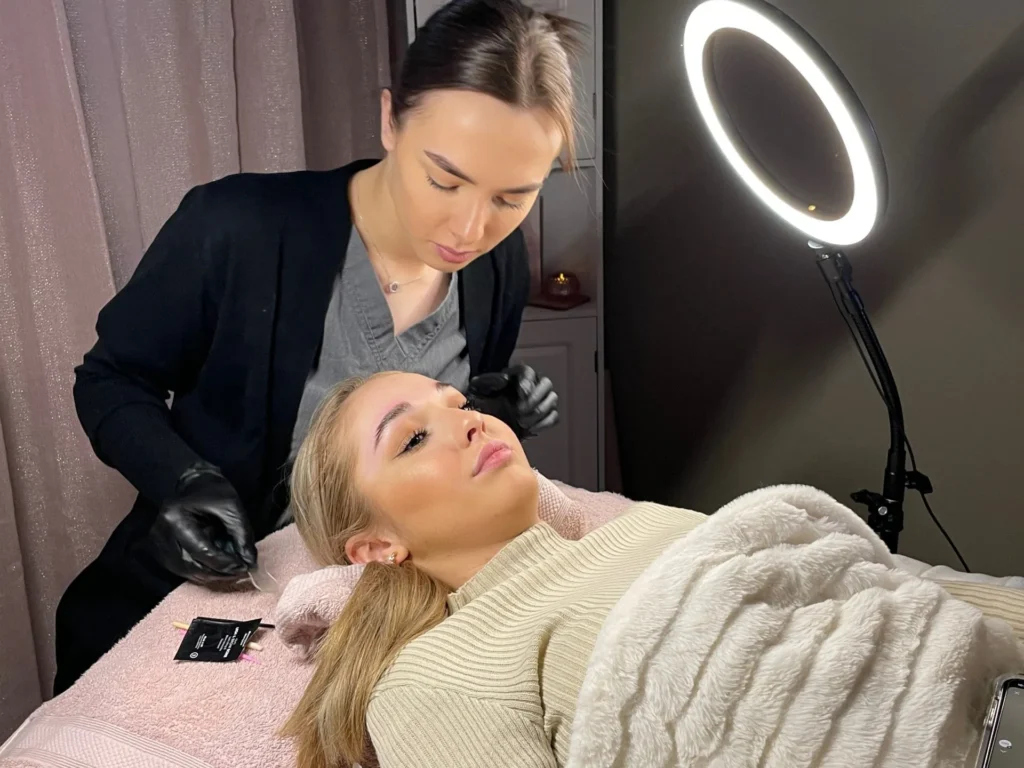
Professional in-salon scalp treatments can help target specific issues such as dryness, dandruff, oiliness, or sensitivity. Treatments using detoxifying masks, exfoliating scrubs, or nourishing serums can make a visible difference after just one session.
For at-home maintenance, consider incorporating a weekly scalp scrub or pre-wash treatment to remove impurities and stimulate circulation. Massage it gently into your scalp to boost oxygen flow – your hair will thank you for it.
Ask us about our professional scalp treatments – tailored to your needs, of course.
The Seasonal Impact on Your Scalp
Just as your skin reacts to seasonal changes, so does your scalp.
Winter: Cold weather and central heating can dry out the scalp, leading to irritation or flakiness.
Summer: Heat, sweat, and UV exposure can cause oil imbalance and sensitivity.
Autumn & Spring: Seasonal shedding is normal but can be aggravated by scalp congestion or dehydration.
Try adjusting your routine through the year — using more hydrating products in winter or clarifying treatments in summer, helps maintain balance and comfort all year round.
Products to Help Support a Healthy Scalp
The right products make all the difference. Look for formulas designed to nourish, balance, and protect the scalp. Some salon favourites include:
Exfoliating scalp scrubs – to remove build-up and dead skin
Balancing shampoos – to cleanse without stripping natural oils
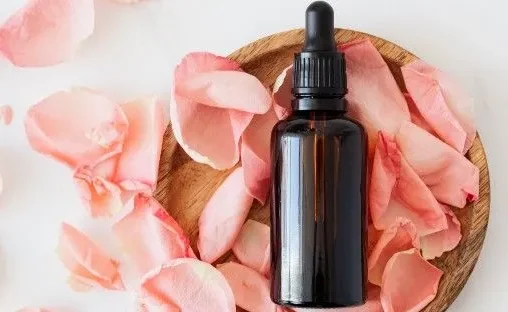
Soothing scalp serums or tonics – to calm irritation and boost hydration
Bond-building or strengthening treatments – such as Olaplex or similar, to improve overall hair health
Oiling your hair (and scalp) – we’ve got an article coming soon on this.
If your salon stocks professional-grade haircare, ask your stylist to recommend a routine tailored to your scalp and hair type.
What to Do If You Have a Flaky Scalp
A flaky scalp can be caused by dryness, product build-up, or a mild scalp condition such as dandruff. It’s important not to confuse flakes with dry skin, some flakes are the result of excess oil, not a lack of it.
Here’s what you can do:
Use a gentle exfoliating or clarifying shampoo once a week.
Avoid over-washing, which can strip your scalp.
Hydrate your scalp with a lightweight leave-in tonic or serum.
Consult your stylist or dermatologist if flakes persist — they can help identify whether it’s dandruff, dryness, or another issue.
With the right care, most scalp concerns can be resolved quickly, revealing a comfortable, healthy foundation for beautiful hair.
Your scalp is the foundation of every great hairstyle — and it deserves as much care as the hair itself. From professional scalp treatments to everyday washing techniques, small changes can make a big difference.